Car Lift Unloading: Why Shipping Weight Alone Cannot Select a Forklift
Choose unloading equipment from the actual package weights, geometry and approved handling method—not shipping weight alone. For lift importers, EH-600C and BH-900 illustrate the figures to separate before delivery.
Key takeaways
• A lift’s vehicle capacity, its own weight and its packed weight are different quantities.
• Plan unloading around each actual package, not an assumed equal share of total shipment weight.
• Forklift capacity depends on the load conditions shown on its data plate, not its nominal tonnage alone.
• Confirm the package geometry, approved handling points and receiving route before booking unloading equipment.
1. Separate lifting capacity from equipment and gross weight
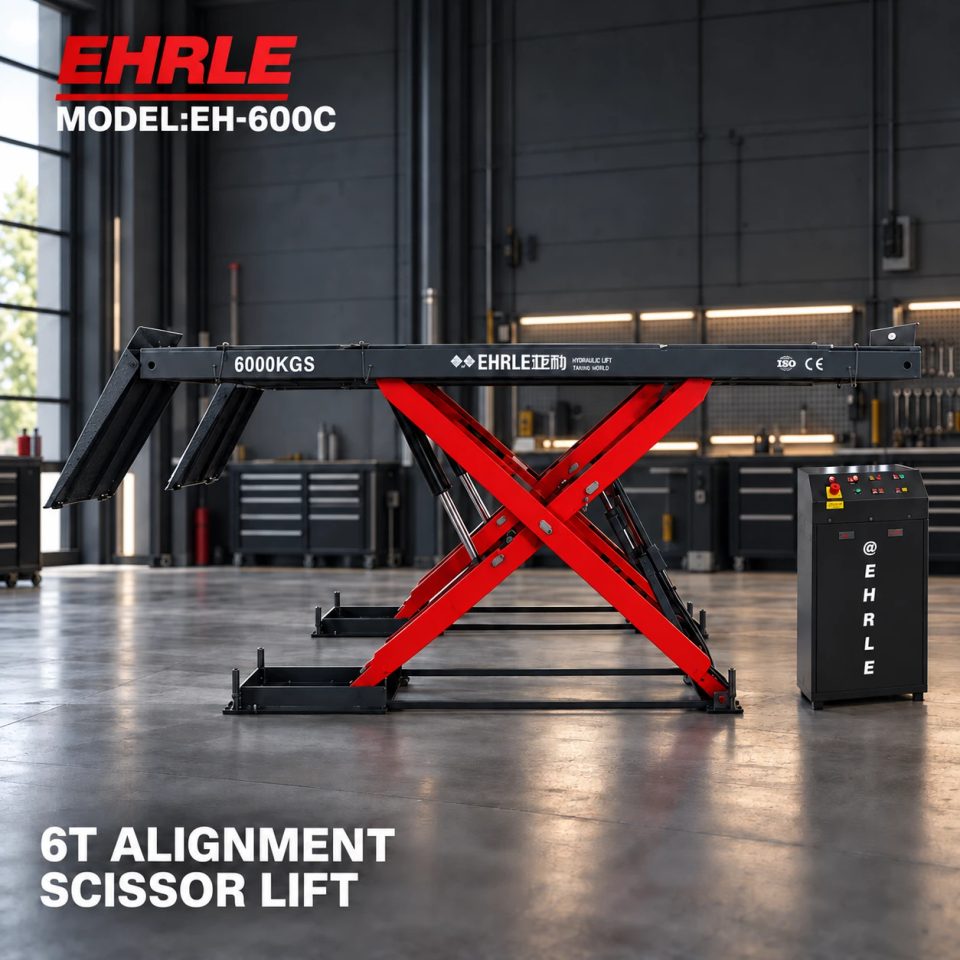
The EH-600C alignment scissor lift lists 6,000 kg main lifting capacity, 3,060 kg net weight and 3,120 kg gross weight. The 6T figure describes the vehicle-lifting rating. It is not the mass of the equipment being unloaded.
The BH-900 motorcycle table lists 900 kg rated capacity and 248 kg equipment weight. Its current record does not publish a packed gross weight. Use 248 kg as the labelled equipment figure, not as a confirmed crate weight.
This comparison is useful even though the lifts serve different vehicles: both show why a purchase order must keep the function rating and logistics weights separately labelled.
2. Get the heaviest package, its dimensions and its handling points
Use the final package schedule to identify each handling unit. A total gross figure does not reveal whether the equipment arrives in one pack or several, or which pack is heaviest. The EH-600C catalogue entry does not establish that package breakdown.
For example, in a hypothetical multi-package order, dividing total gross weight by the package count would give an average. It would not establish the heaviest unit or its centre of gravity. Do not use that average to select handling equipment.
Ask for each package’s identity, gross weight, dimensions, orientation and approved handling method, including the designated lifting or fork-entry information where applicable. Product platform dimensions and photographs of the assembled lift cannot supply those packing details.
3. Match the actual package to the forklift’s documented capacity
A forklift’s stated capacity applies to specified load conditions. OSHA’s forklift load-composition guidance explains that load dimensions, position and weight distribution affect capacity and stability, and that the rated load centre matters.
This is why a rental description such as “3-ton forklift” cannot settle suitability for an elongated equipment pack. Send the actual package information, required handling height and proposed attachments to the qualified handling provider. Have that provider check the relevant truck data plate and manufacturer information for the intended task.
This guide does not select a forklift size or provide a derating formula for either EHRLE model. OSHA is used here as a general technical reference; destination requirements and the actual handling equipment still govern the receiving operation.
4. Review the delivery vehicle and route before arrival
A package can be within an equipment rating yet still not fit the unloading arrangement. Give the provider the delivery-vehicle type, access opening, unloading area and route to the intended staging position. Identify relevant door dimensions, turns, overhead restrictions and ground or floor conditions for assessment.
The EH-600C lists a 6,020 mm overall base length, while BH-900 lists 2,914 mm overall platform length. These are assembled-equipment measurements, not verified crate lengths or unloading-clearance requirements. Use the shipment’s actual dimensions to review the route.
Where access is uncertain, resolve it with the supplier and handling provider before dispatch. Do not plan to lift from an unmarked structural member or dismantle a pack simply to make an unreviewed route work.
5. Avoid three shortcuts that hide the real handling problem
Using the lift rating as shipment mass: EH-600C’s 6,000 kg rating and 3,120 kg listed gross weight answer different questions. Neither identifies the weight of every handling unit.
Choosing equipment from weight alone: the load’s shape, centre of gravity, handling points and the proposed truck configuration remain part of the assessment. A nominal rating is not a complete unloading plan.
Treating a smaller model as a manual-handling approval: BH-900’s 248 kg equipment weight does not establish a safe crew size or permission to unload by hand. Arrange an assessed method rather than inferring one from the motorcycle-table category.
6. Your pre-dispatch unloading brief
Send the handling provider:
1. Final package IDs, per-package gross weights and dimensions.
2. Supplier-approved handling points, orientation and package instructions.
3. Delivery-vehicle information and the intended unloading/staging locations.
4. A measured access route and relevant site conditions.
5. Proposed handling equipment, attachments and the applicable capacity information for professional review.
Agree who supplies the unloading service, who checks the final shipment information and how discrepancies will be resolved. If package details change, give the updated information to the provider before the move. Unloading and later installation/commissioning are separate activities.
Contact EHRLE with the selected EH-600C or BH-900, destination and receiving constraints to clarify the shipment-specific handling documents. Final equipment selection and the actual move belong with the qualified handling provider and the applicable instructions.
Frequently asked questions
Is 3,120 kg the weight of one EH-600C crate?
The current record labels it gross weight but does not establish a one-crate shipment or a package-by-package breakdown. Confirm the prepared shipment schedule.
Can BH-900’s 248 kg be used as its shipping gross weight?
No packed gross figure is established by that equipment-weight entry. Use the actual packing record.
Does a forklift rated above the package weight automatically fit the job?
No. The rating conditions, package geometry, load centre, handling height and truck configuration also need review.
Can the factory product image identify where to insert forks?
No. Obtain the handling instructions and markings for the actual package. A product scene illustration is not an unloading diagram.
Sources and image notes
EHRLE EH-600C and BH-900 published, enabled and verified records were checked on 27 October 2026; related product pages are linked below. General reference: OSHA Powered Industrial Trucks eTool, Load Handling — Load Composition, at osha.gov. It supports the load-centre and load-geometry discussion; it does not approve equipment or an unloading method for these products.
Cover and gallery are product scene illustrations, not shipment photos, packing diagrams or evidence of handling points. Marks shown on the lift do not establish certification scope. This article develops package-level handling and forklift-selection evidence beyond the earlier accessory-receiving checklist.
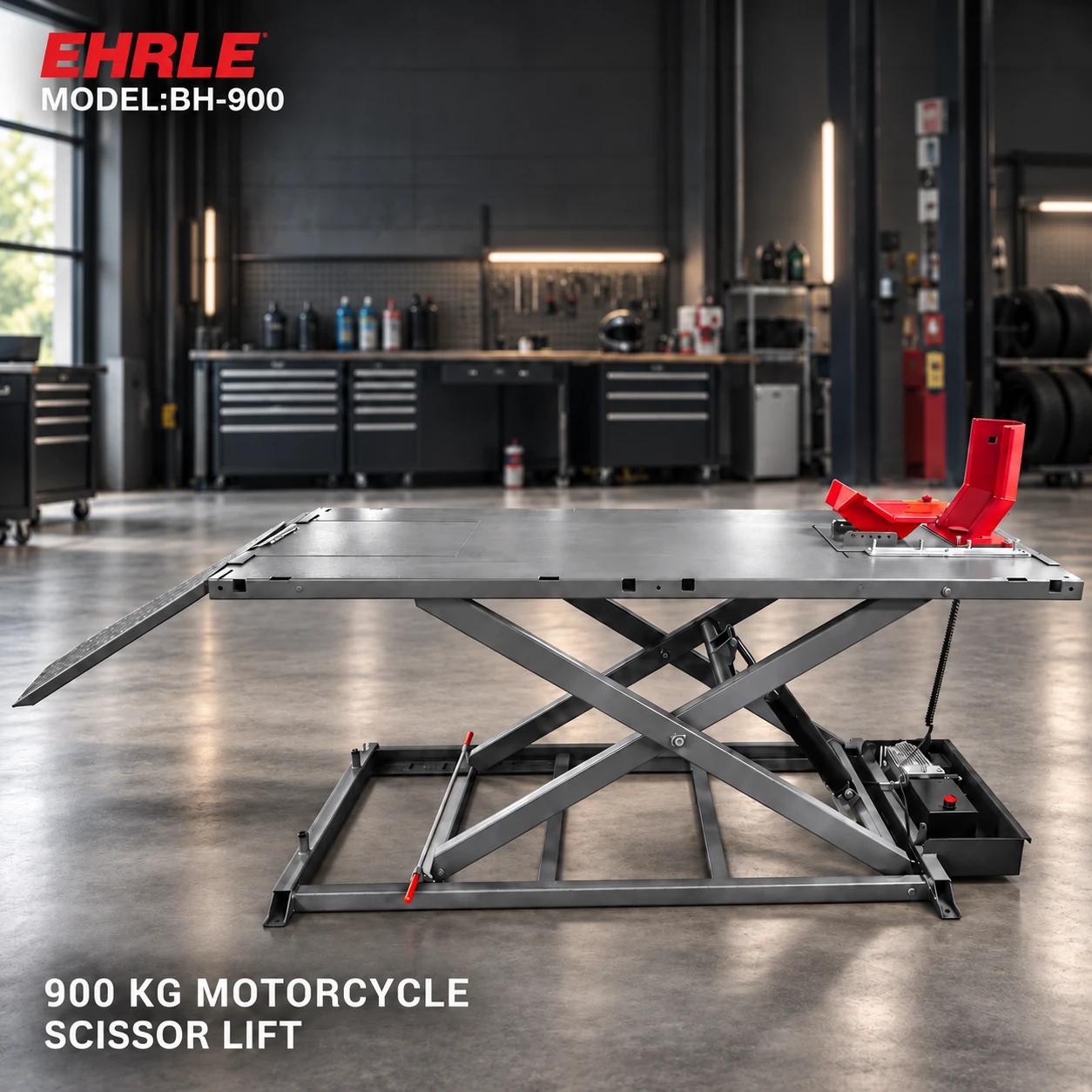
Product scene illustration. The 248 kg equipment-weight entry does not establish packing size, shipping gross weight or handling points.