How to choose a car lift for your workshop
Compare lift layouts, vehicle fit, electrical supply and installation documents.
Read the buying guide →International sales and workshop project support
[email protected]Practical vehicle lift selection, workshop planning and model comparisons.
Compare lift layouts, vehicle fit, electrical supply and installation documents.
Read the buying guide →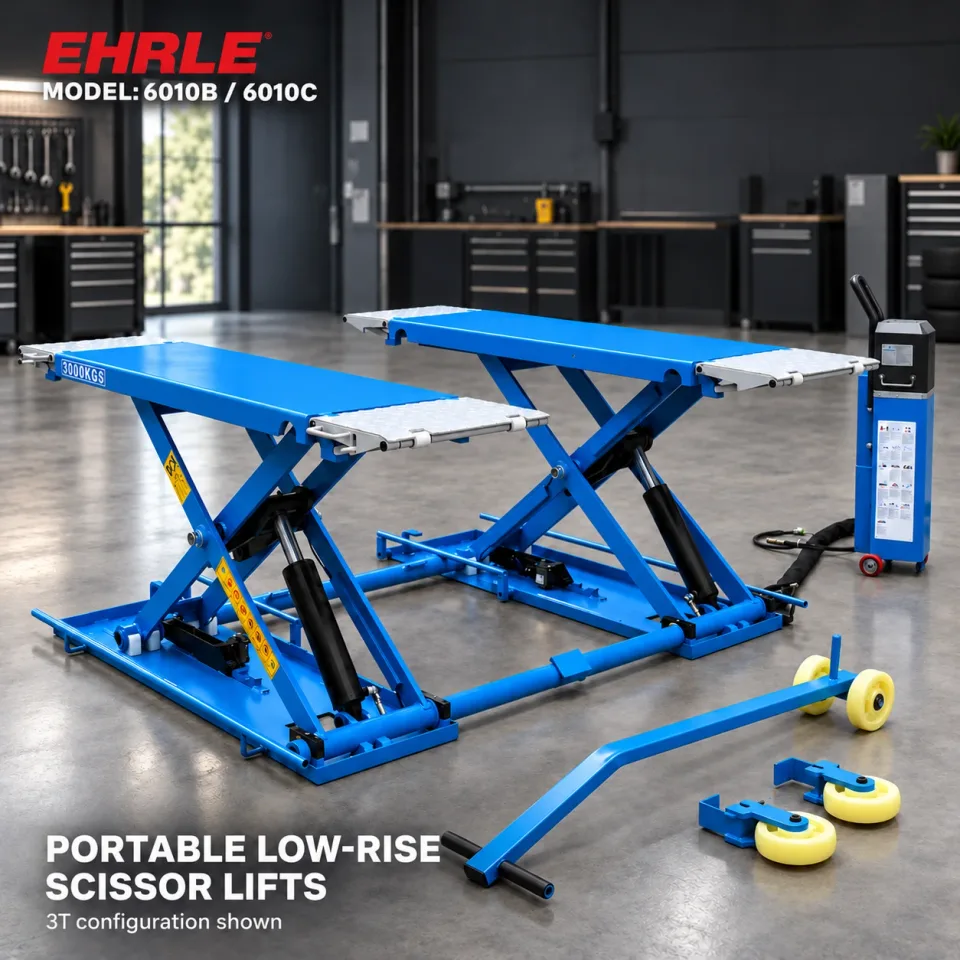
For a lift configuration that requires compressed air, assess the supply at the equipment inlet under the agreed operating conditions. Workshop buyers need the selected lift’s requirements and the actual distribution layout; a compressor gauge alone cannot approve the bay.
Read more →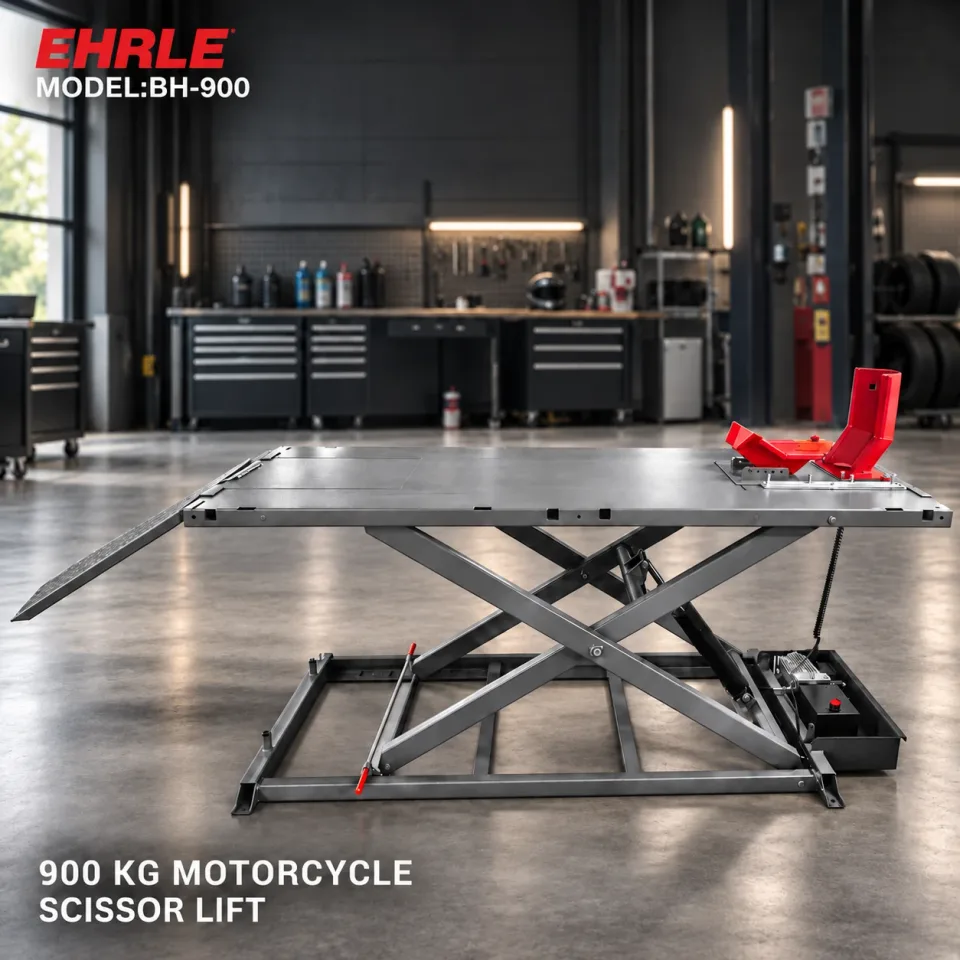
When damage or a fault raises doubt about a lift’s safety, stop routine use and follow the supplied fault instructions with qualified assistance. For workshop buyers and managers, BH-900 and BH-34T illustrate how equipment identity, incident reporting and a clear service-status decision fit together.
Read more →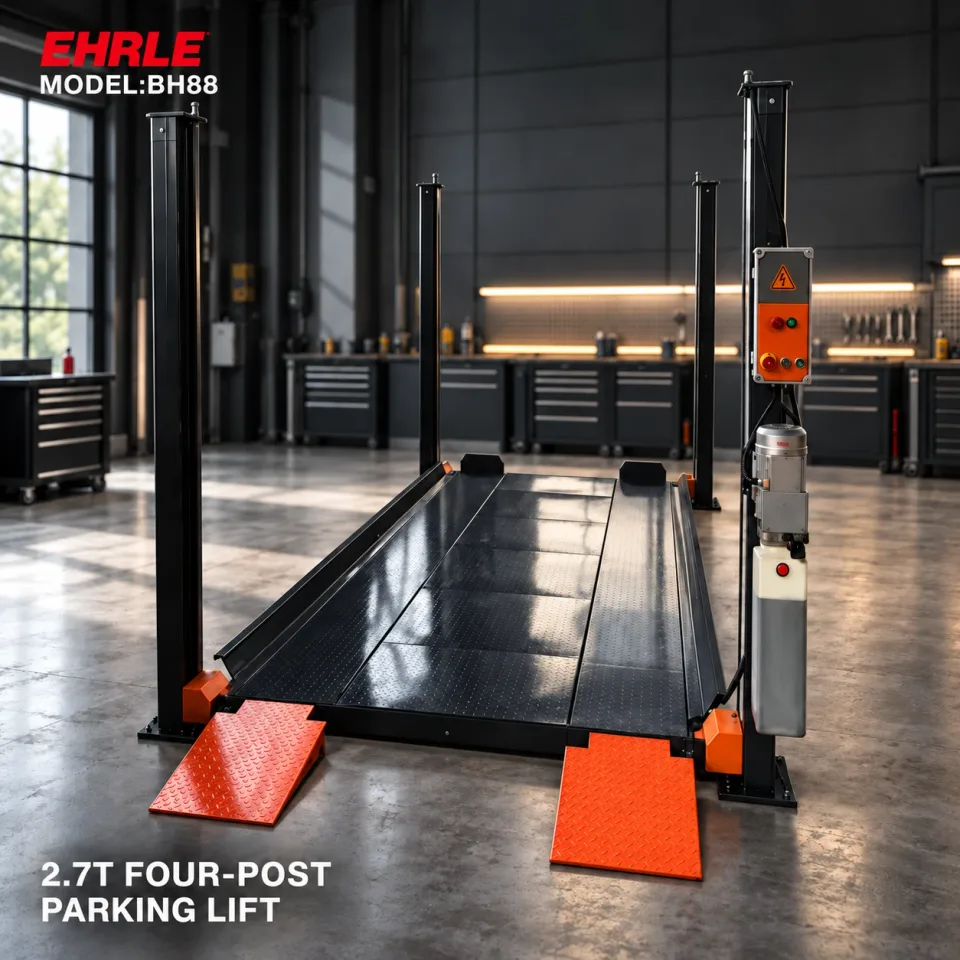
Check the garage door’s complete movement and hardware against both the lift structure and the vehicle envelope, not ceiling height alone. For parking and service-bay buyers, BH88 and EC600 show why published lift heights need a coordinated door-and-bay layout.
Read more →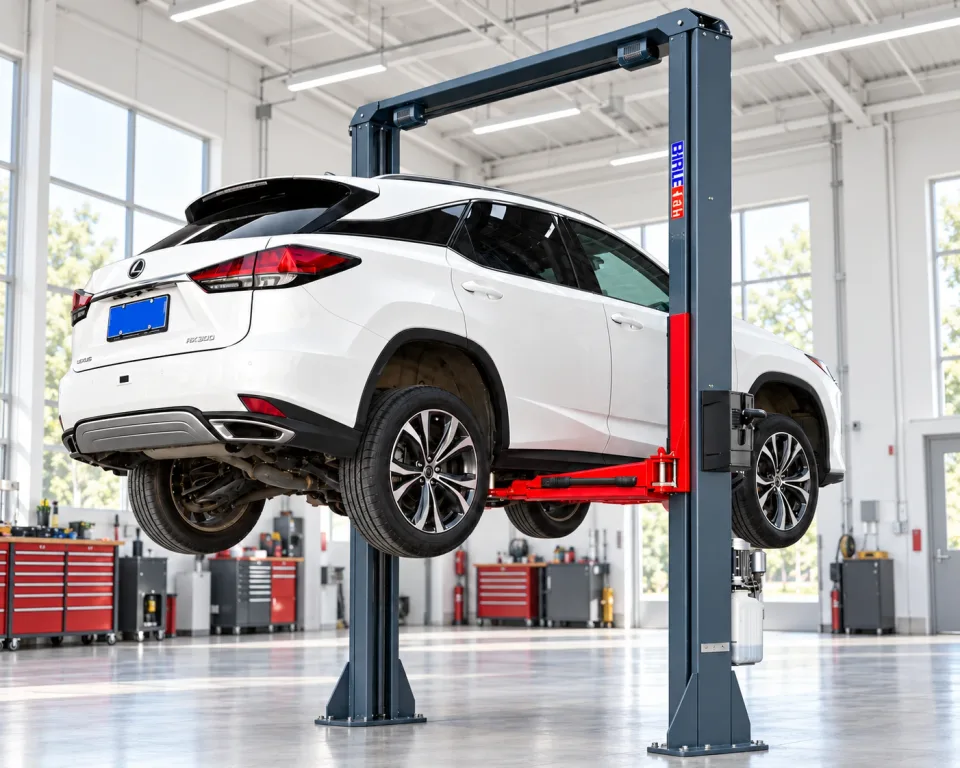
A new floor is ready when it meets the selected lift’s foundation and anchoring requirements, supported by the required site evidence. For workshop buyers, a dry surface or a generic waiting period is insufficient; EC500 and 6016 illustrate why readiness must be model-specific.
Read more →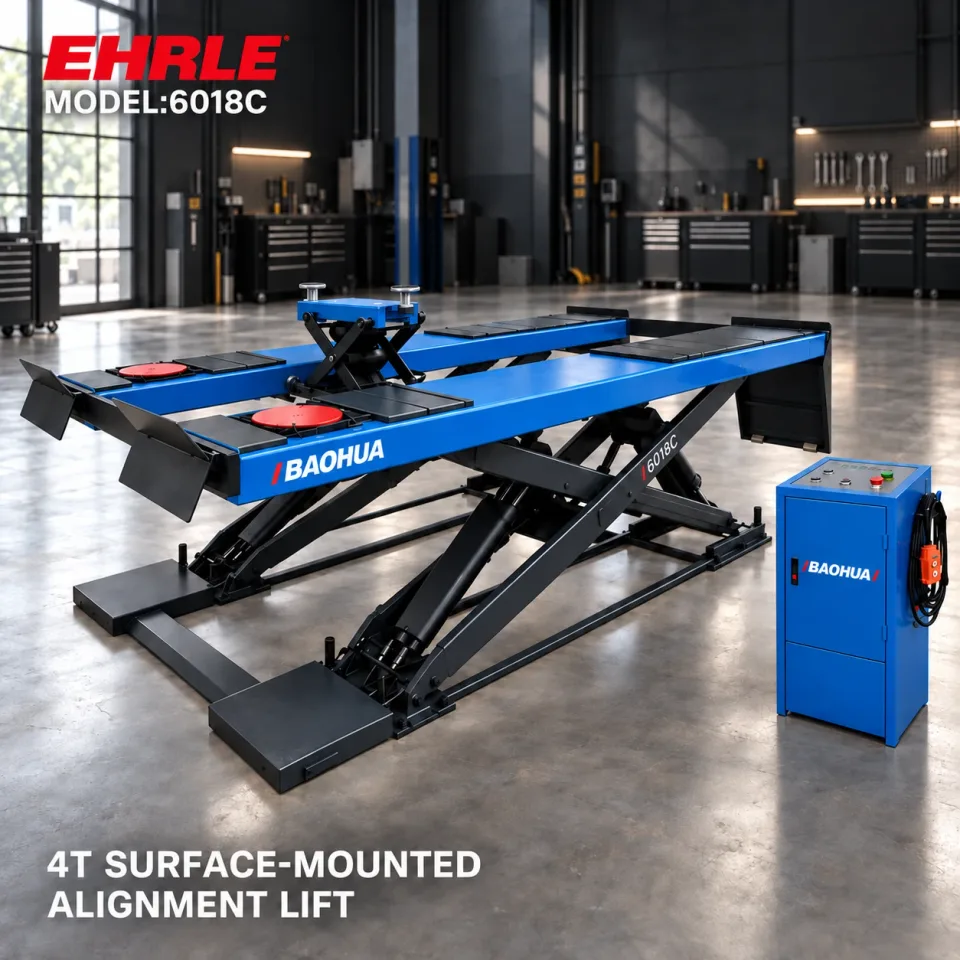
Plan the lift and camera system together so the required targets remain visible in the specified measuring positions. For workshops buying a 3D alignment bay, 6018C and BH6108 examples show why runway size alone cannot establish a compatible layout.
Read more →Use the vehicle’s actual intended lifting condition for capacity assessment, and keep brochure weights and maximum vehicle ratings distinct. For motorcycle and fleet-workshop buyers, BH-900 and BH-34T examples explain what weight evidence to provide and why total mass alone is insufficient.
Read more →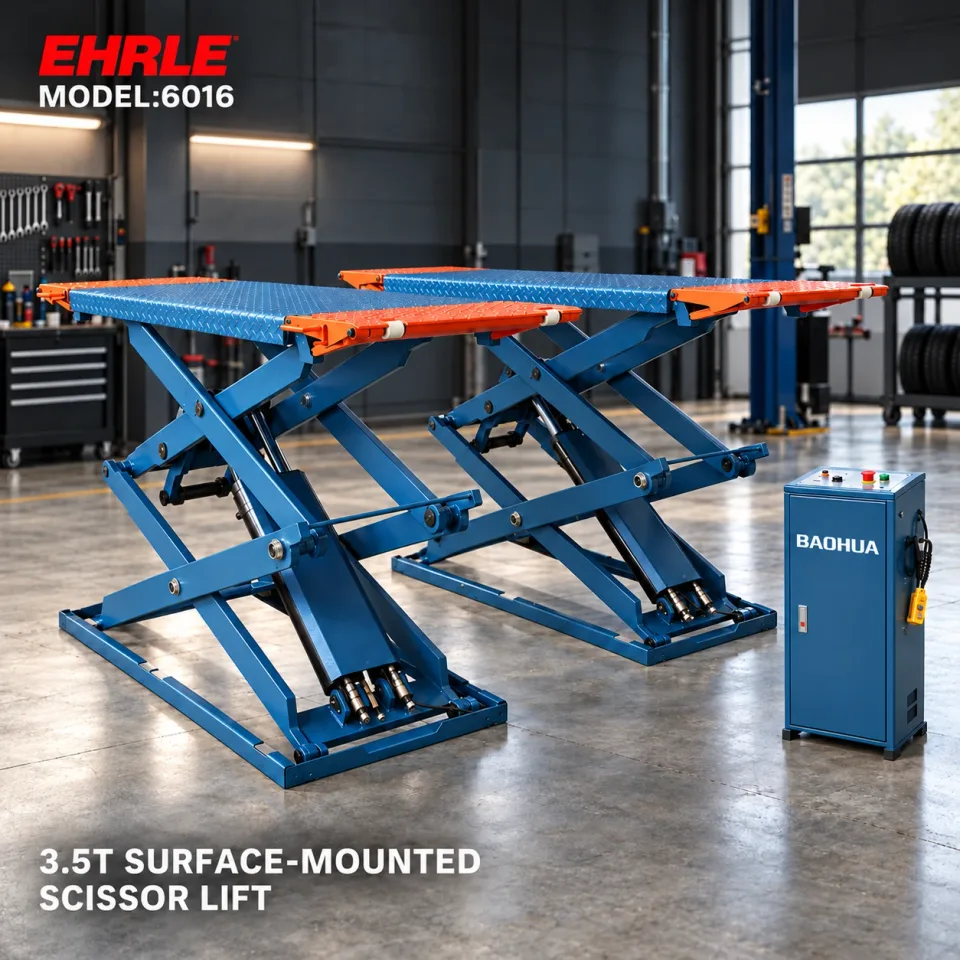
Budget for the complete service bay by separating equipment, site works, connections, handling and handover. For repair-shop buyers comparing 6016 and 6105B, equal lifting capacities do not mean equal installation scope or cost.
Read more →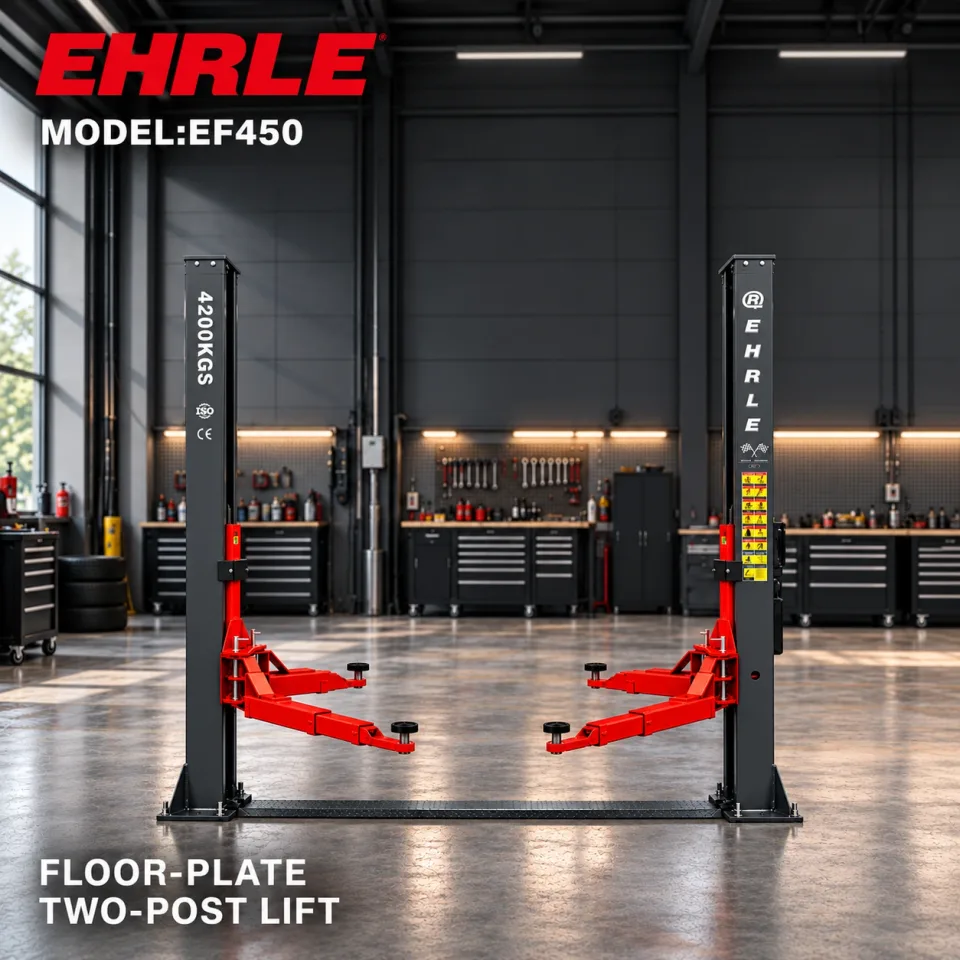
Select an adapter that matches both the vehicle’s approved lifting point and the exact lift assembly. For workshops serving different vehicle types, extra height alone cannot resolve contact shape or arm reach; EF450 and EC450 illustrate the limits of catalogue height figures.
Read more →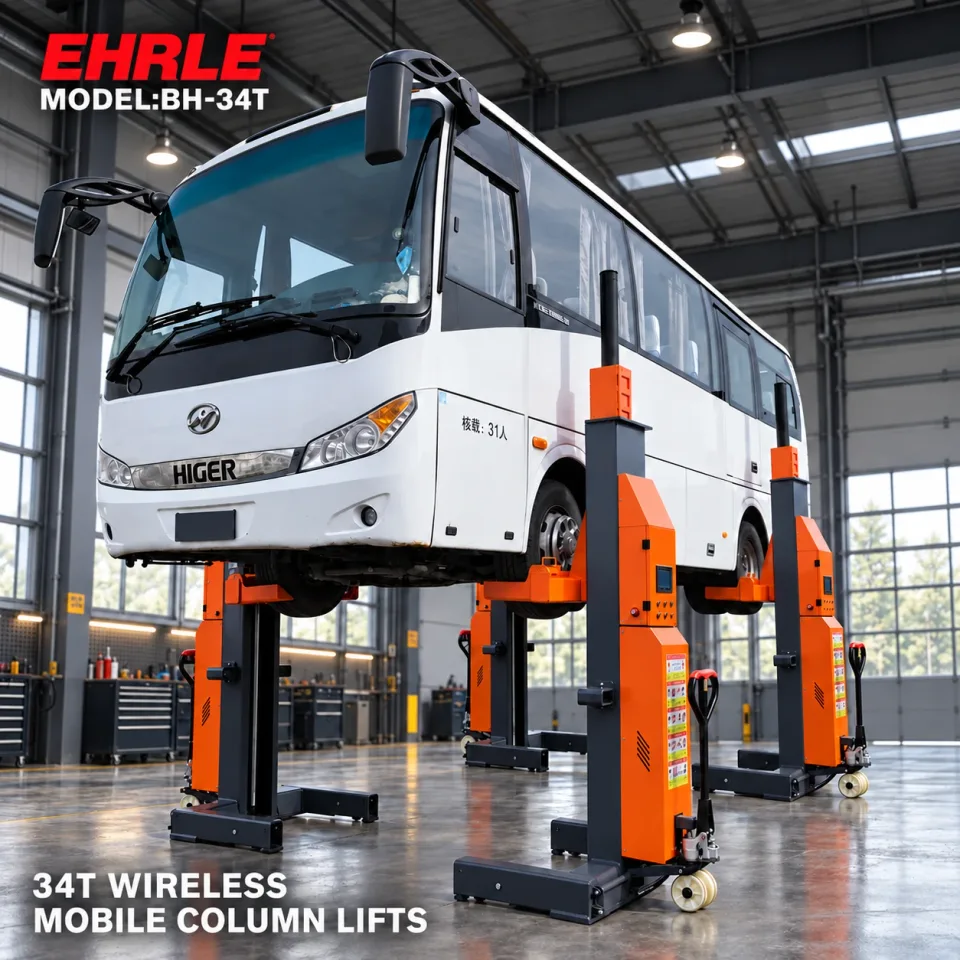
Use a lift outdoors only when the manufacturer’s documentation covers the exact equipment and site conditions. For fleet workshops and repair-shop buyers, mobility alone does not establish weather protection: BH-34T and 6010B/6010C illustrate the separate checks.
Read more →It depends on the exact lift and its authorized recovery procedure: a manual release label alone is not proof. For parking operators and repair-shop buyers, BH88 and EC500 examples explain what to settle before relying on vehicle recovery during an outage.
Read more →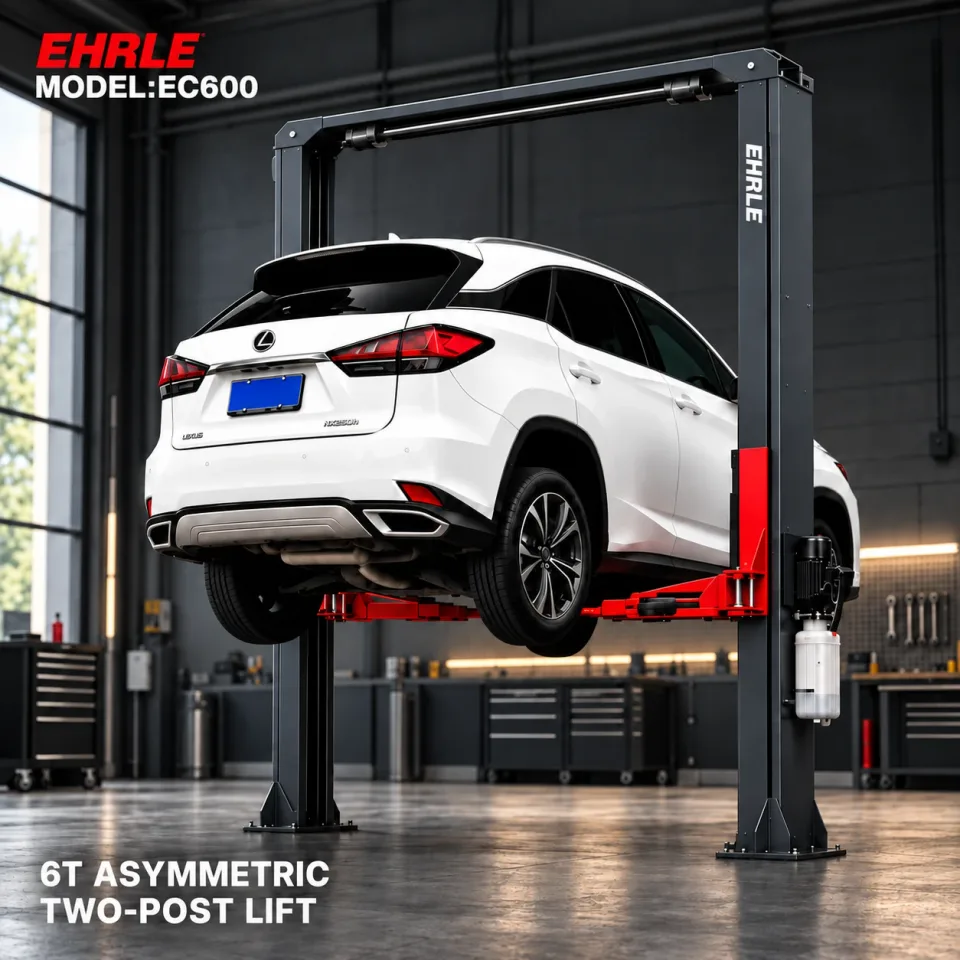
Choose a lift and support package for the vehicle’s changing balance, not just its starting weight. For workshops planning engine or gearbox work, EC600 and H4 examples show which equipment roles must be assessed separately.
Read more →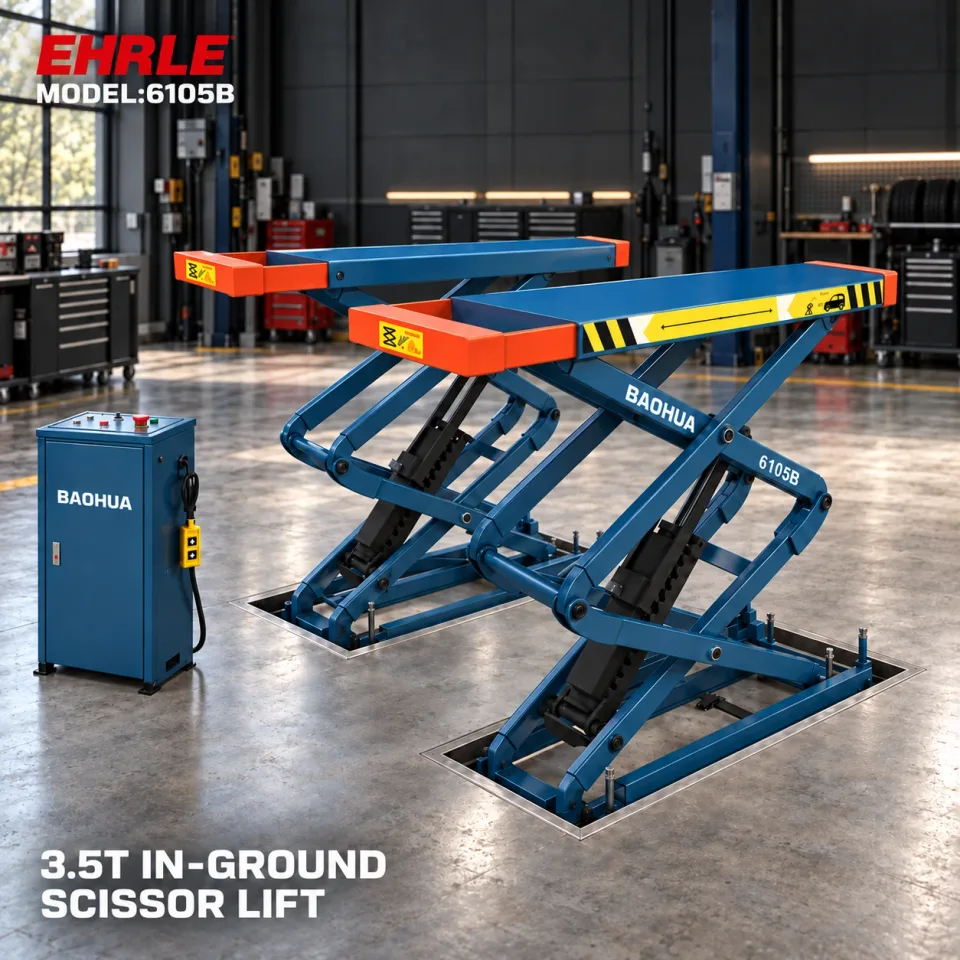
Plan possible water entry, disposal and maintenance access before constructing a recessed lift pit. For workshops considering 6105B or BH6108, a flush platform alone does not establish waterproofing or wash-bay suitability.
Read more →Sharing a portable lift between bays means repositioning unloaded equipment under its instructions, not transporting a supported vehicle. Use these 6010B/C and BH-34T examples to plan the route, mobility components and storage before ordering.
Read more →Check that the manufacturer, model, configuration and document scope all match the lift you are ordering. This five-part guide helps importers and distributors review the evidence behind a CE-marking claim.
Read more →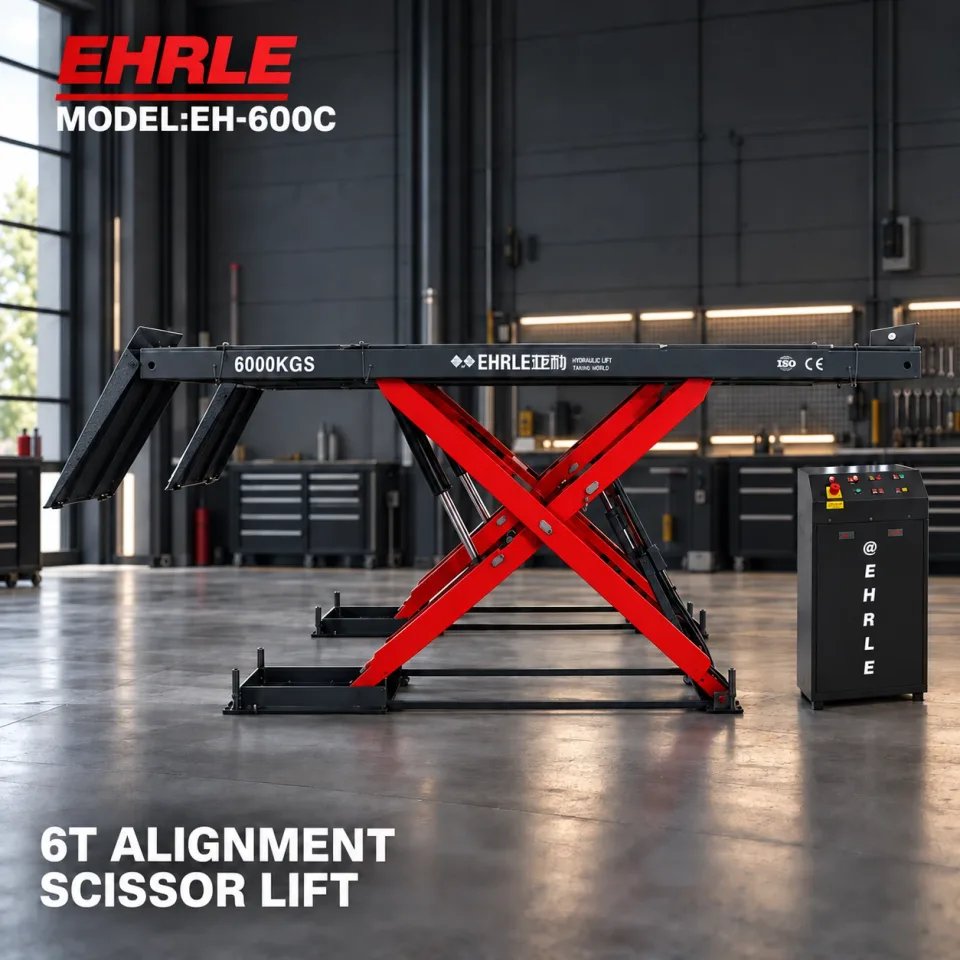
Choose unloading equipment from the actual package weights, geometry and approved handling method—not shipping weight alone. For lift importers, EH-600C and BH-900 illustrate the figures to separate before delivery.
Read more →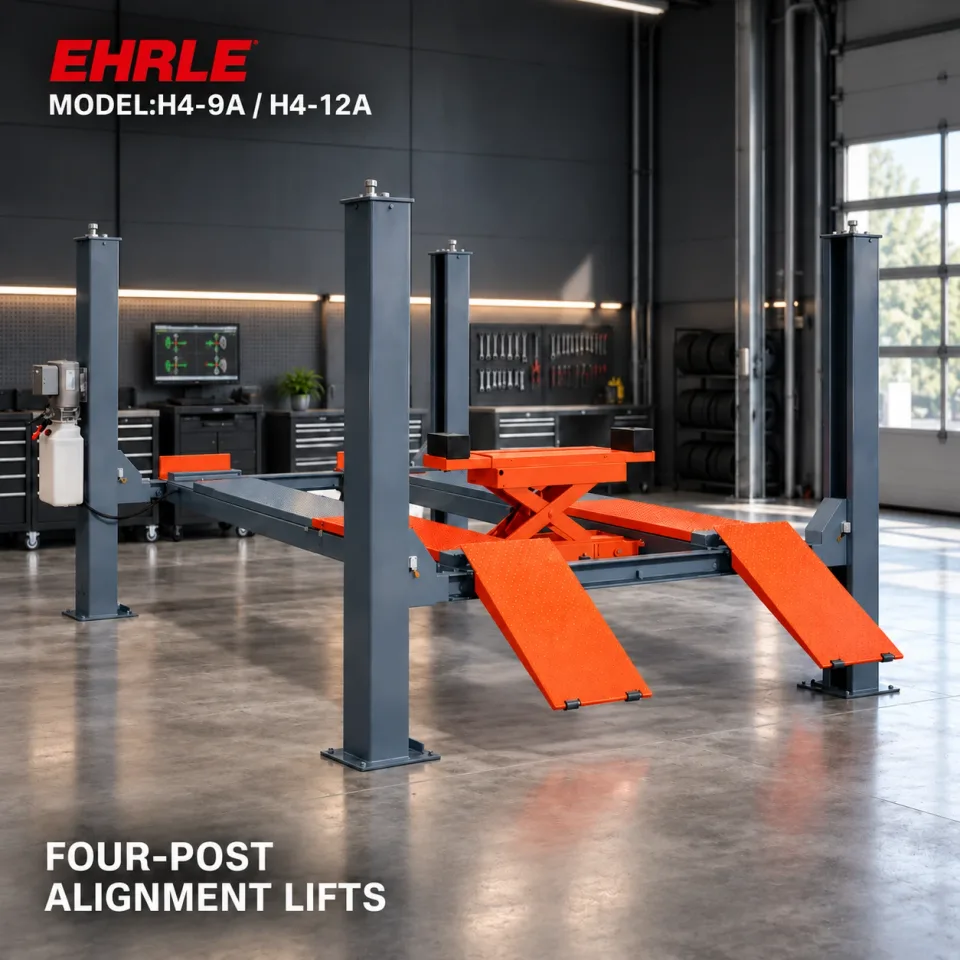
For H4 four-post and BH6108 recessed alignment lifts, specify working positions, support-surface checks and acceptance records separately from aligner calibration.
Read more →For BH-34T procurement, confirm the approved column set, permitted modes, communication limits and documented fault response. A wireless label does not define these functions.
Read more →Before commissioning a 6016 or EC500, confirm the approved fluid, power-unit documents, fill quantity and supply responsibilities. Lift tonnage alone cannot select the oil.
Read more →Use BH88 and BH-900 examples to distinguish movement time, a complete operating cycle and workshop throughput. Request timing conditions and repeated-use limits before ordering.
Read more →Use the BH-34T 480–1,270 mm tire-diameter range as a starting screen, then confirm tire width, wheel geometry, fork dimensions and individual support loads.
Read more →Review 6105B extension options and 6010B/C base versus extended dimensions. Confirm usable support areas and vehicle lifting points before selecting the package.
Read more →Prepare a reviewable BH-34T or BH-900 parts enquiry with actual machine identification, configuration, component photos and supplier-confirmed compatibility.
Read more →Use EC600 and 4200KG dimensions to distinguish equipment height from the raised-vehicle envelope. Plan roof profiles, support configurations and overhead obstructions.
Read more →Plan the complete 6016 or 6105B bay: confirm control-cabinet dimensions, wired-pendant reach, service routes and approved operating positions before installation.
Read more →Review the plate package for 6018C and BH6108: interfaces, adjustment positions, locking instructions and compatibility with the separately specified alignment equipment.
Read more →Use EC500 and H4 examples to distinguish arm restraints, load-holding devices and release controls, then request the correct manuals and handover evidence.
Read more →Distinguish BH88 parking and storage from H4 alignment and service applications. Specify measuring equipment and wheel-free support separately before comparing quotations.
Read more →Plan a BH-34T floor review using column positions, vehicle wheel loads and manufacturer support data. Mobility does not establish that every workshop bay is suitable.
Read more →Compare 6010B and 6010C capacity, platform size and working height with the full-rise 6016 role before choosing a tire, brake or underbody service lift.
Read more →Compare H4-9A, H4-12A and BH6108 runway dimensions, then request a vehicle-specific review of tire positions, usable support surfaces and alignment placement.
Read more →Use BH-900, BH-34T and EH-600C examples to distinguish complete-vehicle lifting from the support, restraints and accessories needed for a wheel-removal task.
Read more →Compare EH-600C and EH-600 minimum heights while checking the ramp profile, vehicle geometry and installation arrangement needed to assess loading clearance.
Read more →Compare BH88, 6016 and BH-34T electrical descriptions. Separate incoming supply, 24 V controls and rechargeable operation before approving a lift quotation.
Read more →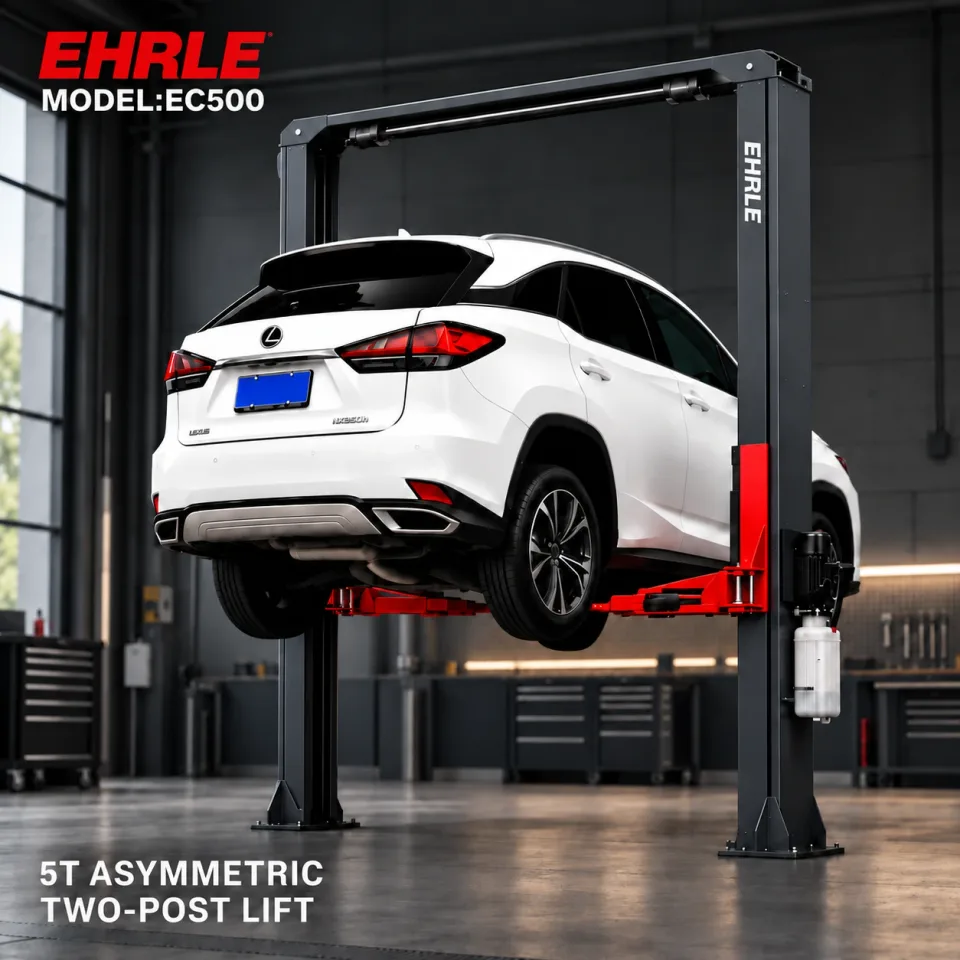
Assess EC500 and 6016 as candidates for EV service using vehicle-specific lifting points, support geometry and task requirements—not lifting capacity alone.
Read more →Use 6010B/6010C and BH-900 examples to connect ordered models and accessories with package contents, then record delivery discrepancies clearly.
Read more →Use EC500 dimensions to separate equipment width, column spacing, drive-through access and vehicle-door clearance when planning a two-post service bay.
Read more →Use BH-34T and EC500 examples to request model-specific maintenance instructions and organize inspection, service and outstanding-action records for your workshop.
Read more →Use 6016 and BH6108 configurations to distinguish lifting-point support, tire-supported runways and secondary lifting when selecting a scissor lift.
Read more →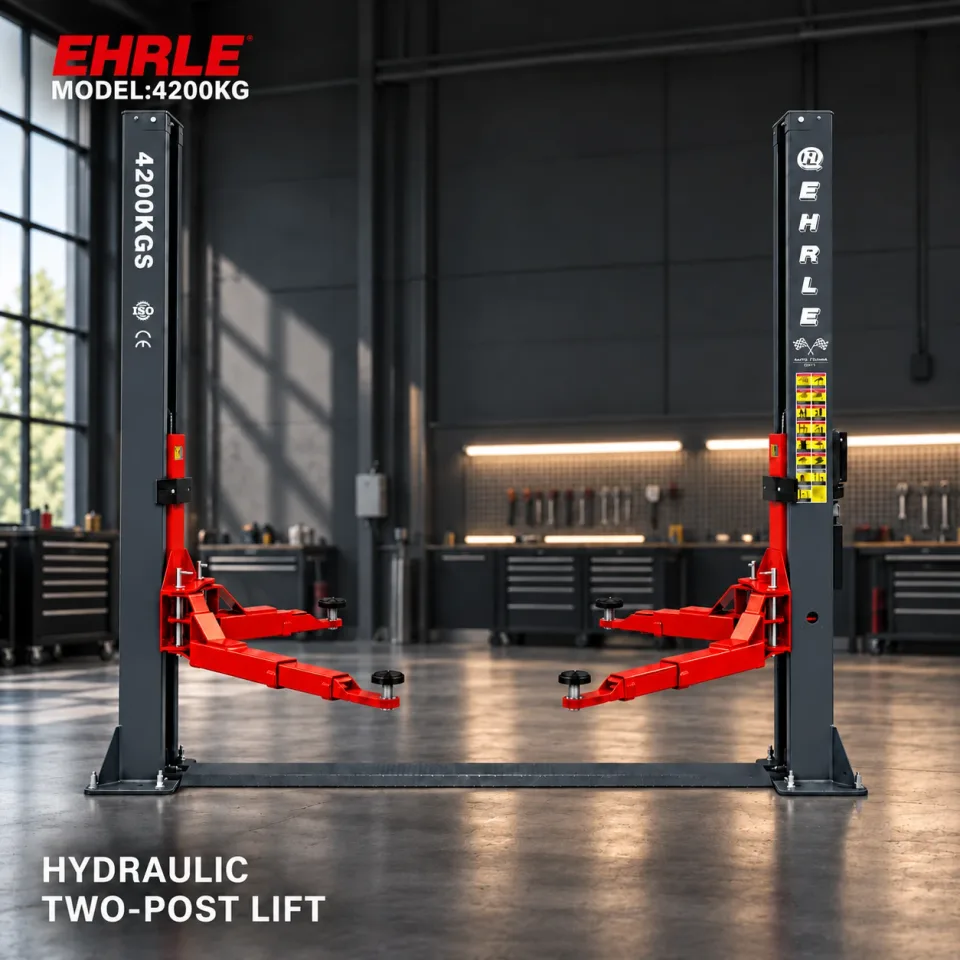
Turn a generic 4.2T lift enquiry into a clear order: confirm the 4200KG model, arm and adapter scope, electrical version and installation documents.
Read more →Separate the 6018C lift, turnplates and slip plates from the measuring machine, targets, clamps and optional rolling jack when specifying an alignment bay.
Read more →Confirm the 6105B platform version, approved recess drawing, service routes and control-station layout before planning workshop floor works.
Read more →Assess BH88 parking-lift suitability using both vehicles, the actual garage layout and the platform movement envelope—not minimum site height alone.
Read more →Check the BH-34T four-column rating against individual wheel loads, tire fit and the approved vehicle arrangement before selecting a heavy-vehicle lifting system.
Read more →Check BH-900 platform dimensions, loading approach and motorcycle restraints before ordering. Keep the 900 kg table distinct from widened tricycle versions.
Read more →Use the 6010B/6010C specifications to separate electric and pneumatic release, input power and 24 V controls before arranging workshop utilities.
Read more →Plan a four-post lift bay using the right measurements. Compare H4 alignment-lift dimensions and BH88 parking requirements before preparing a site layout.
Read more →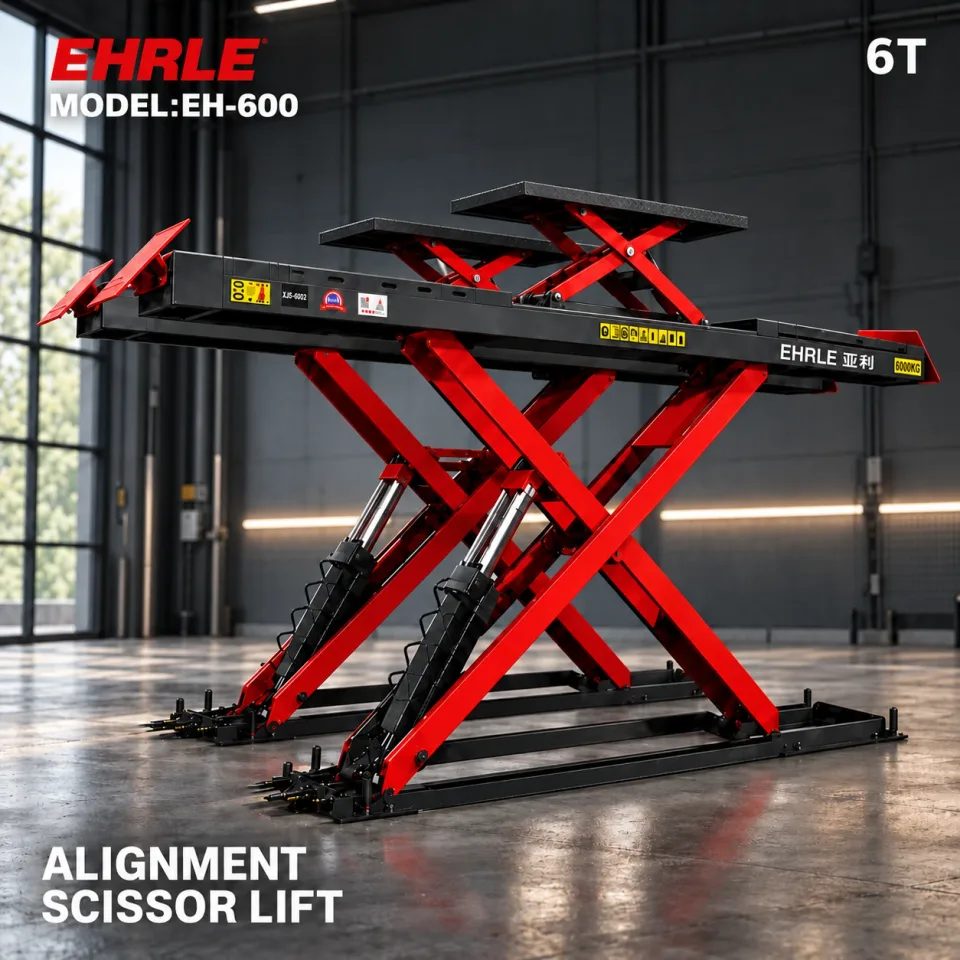
Use EH-600 and EH-600C specifications to distinguish main-platform capacity, secondary lifting limits and optional equipment before ordering an alignment lift.
Read more →Compare rated capacity, overall height, access dimensions and electrical options to choose between EHRLE EC500 and EC600 two-post lifts.
Read more →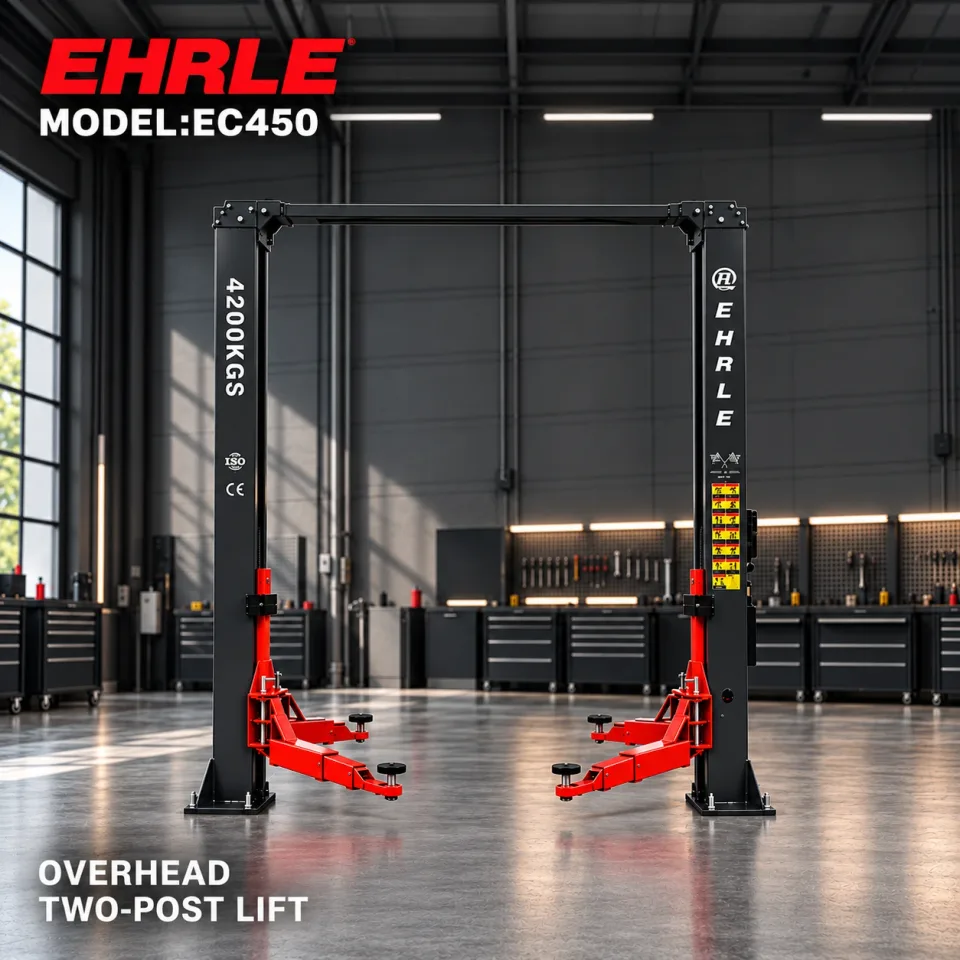
Compare floor-plate and overhead layouts, minimum pad heights and workshop access before choosing between these two EHRLE 4,200 kg lifts.
Read more →