Vehicle Lift Electrical Specifications: Supply Voltage, Controls and Charging
Compare BH88, 6016 and BH-34T electrical descriptions. Separate incoming supply, 24 V controls and rechargeable operation before approving a lift quotation.
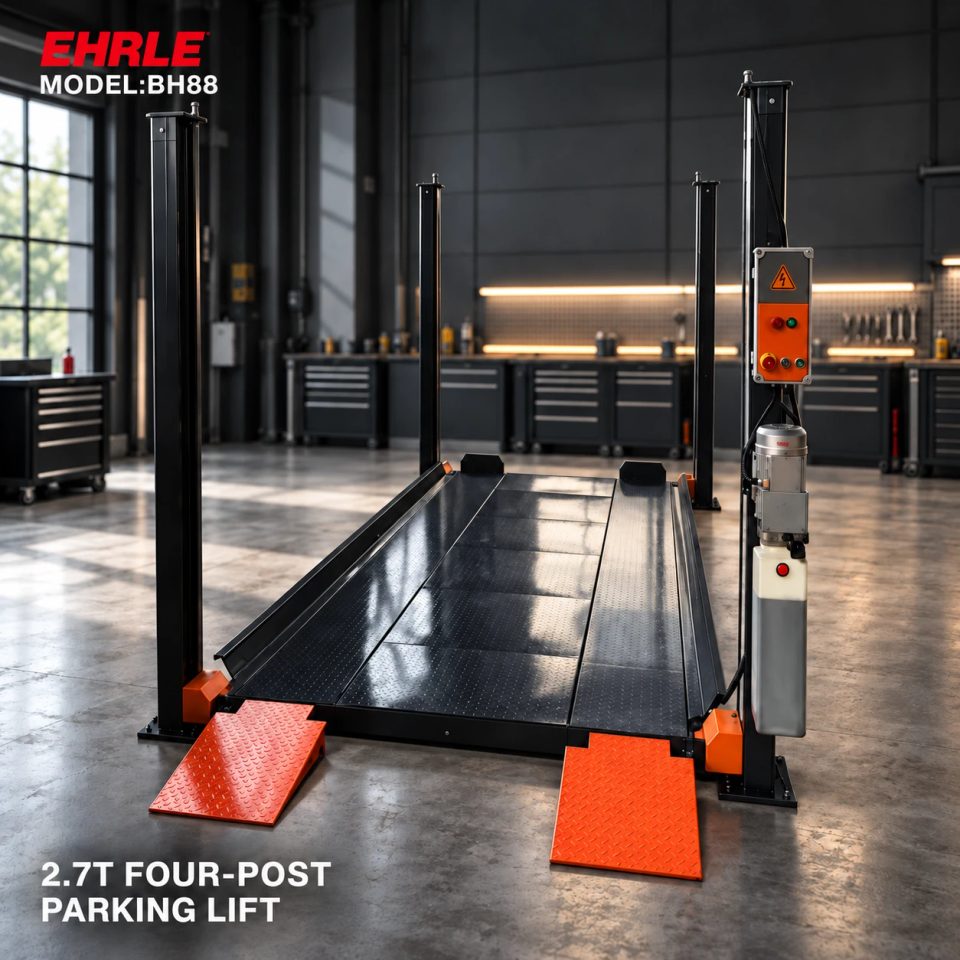
A voltage number needs a function before it becomes an order specification
The BH88 parking lift and 6016 double-scissor lift list 220 V or 380 V supply options together with 24 V controls. The BH-34T mobile-column system instead lists rechargeable 24 V operation and AC 220 V charging. The repeated numbers describe different functions.
Before accepting a quotation, label each figure as incoming supply, control voltage, operating voltage or charger input. Otherwise, a buyer can match a number while overlooking which part of the equipment it describes. This guide helps define the purchase specification; electrical installation must follow the exact supplied documents and qualified site assessment.
BH88: separate incoming power from the control output
The current BH88 record lists a 2,700 kg four-post parking lift with a 2.2 kW motor, 220 V or 380 V optional input and 24 V control output. The 24 V entry is not the listed incoming workshop supply. It also does not establish that this parking lift is battery-operated.
Write the selected incoming voltage into the order and obtain the corresponding phase, frequency and electrical documentation. The published input choices alone do not establish those missing details. A 2.2 kW motor rating identifies listed power, but is not a complete site electrical specification.
6016: a separate cabinet and pendant still need the correct supply
The 6016 is a 3,500 kg surface-mounted double-scissor lift with 220 V or 380 V power options, 24 V controls, a separate control cabinet and a wired pendant. The cabinet and pendant belong in the bay layout, including their access and service routing. Their presence does not change the need to confirm the incoming supply for the selected version.
The current 6016 table does not provide motor power, rated input current, cabinet dimensions or pendant cable length. Request these from the supplier for the actual order. Do not copy BH88 motor data merely because both products list the same voltage choices or 24 V controls.
BH-34T: rechargeable operation, charging and communication are different items
For the BH-34T, the current record lists rechargeable 24 V operation, AC 220 V charging, a 3.0 kW motor entry and wireless communication. Its standard arrangement is four wheel-engaging columns rated at 8,500 kg per column, with 34,000 kg combined capacity. The wireless entry describes communication; it does not establish a charging arrangement or remove the listed charging-supply requirement.
Request the supplied charger specification, charger quantity and approved charging arrangement for the ordered set. Battery capacity, charging duration, lifts per charge and simultaneous-charging requirements are not established by the current record. Do not promise a full shift of operation or select charging circuits from these entries alone. Six- or eight-column options also need their own approved equipment and control configuration.
Compare complete configurations instead of treating voltage choices as automatic switching
For BH88 and 6016, ask which 220 V or 380 V version the supplier is quoting, together with phase and frequency. An options list is not evidence that the delivered machine automatically accepts both supplies. For BH-34T, specify the rechargeable operating arrangement separately from the charger input and charger documentation.
The same number on two product pages does not establish interchangeable motors, chargers or control components. If a supplier proposes a different electrical configuration, obtain written confirmation and the matching documents for that version before accepting it. Do not assume a voltage converter or a workshop wiring change makes an unspecified version suitable.
Use a quotation schedule with explicit known and pending fields
Ask the supplier to complete a separate electrical schedule for each quoted model:
1. Model, configuration identifier and quantity of units or columns.
2. Incoming supply voltage, phase and frequency for the machine or charger, clearly labelled.
3. Control or rechargeable operating voltage, identified separately.
4. Motor and input electrical ratings for the supplied version.
5. For rechargeable equipment, charger model, quantity, input ratings and charging instructions.
6. Cabinet or charging-station placement, cable or pendant scope and supplied connections.
7. Applicable electrical schematic, installation instructions and identification/nameplate information.
Mark unpublished or unconfirmed fields as pending rather than filling them from another model. Supply the measured site plan and available electrical information so the supplier and qualified installer can resolve the configuration together.
Approve the equipment documents before preparing the electrical installation
Have the qualified installer compare the actual site supply with the supplier-approved equipment information before connection. Cable sizing, protective devices, earthing, isolation and terminal connections must be established from the applicable instructions and site conditions. The current product records do not supply those installation values, so this article does not prescribe them.
At handover, compare the delivered machine and, where relevant, charger identification with the agreed electrical schedule. Keep the matching schematics, instructions and commissioning records together. If the equipment identity or electrical ratings differ from the order, resolve that discrepancy with the supplier and installer before use.
Send EHRLE the intended model, country of installation, available supply details and proposed bay or charging layout. Request a quotation that identifies the supplied electrical version and lists the information still needed for site approval.
FAQ: Does a 24 V control specification mean a 24 V workshop supply?
For BH88 and 6016, no: the current records separately list 220 V or 380 V supply options and 24 V controls. BH-34T uses a different description: rechargeable 24 V operation with AC 220 V charging. Keep the functions separate in the quotation.
FAQ: Does 220 V tell me whether the equipment is single-phase?
The voltage number alone does not establish the phase of the quoted equipment. For the models discussed here, obtain explicit phase and frequency confirmation for the machine or charger rather than inferring them from the voltage.
FAQ: Can I estimate charging time from the BH-34T motor rating?
The current record does not provide the battery and charger data needed to establish charging duration or operating endurance. Obtain the actual battery specification, charger documentation and manufacturer operating information.
Sources and image notes
This guide uses published, enabled and verified EHRLE BH88, BH-34T and 6016 product records checked on 16 October 2026. The corresponding product pages are linked below. Published option lists are distinguished from details that remain order-specific or unavailable.
The cover and gallery are product scene illustrations, not customer installation photographs, wiring diagrams or proof of the final supplied electrical version. Labels, switches and cables visible in an illustration do not establish terminal connections, charging performance or accessory inclusion.
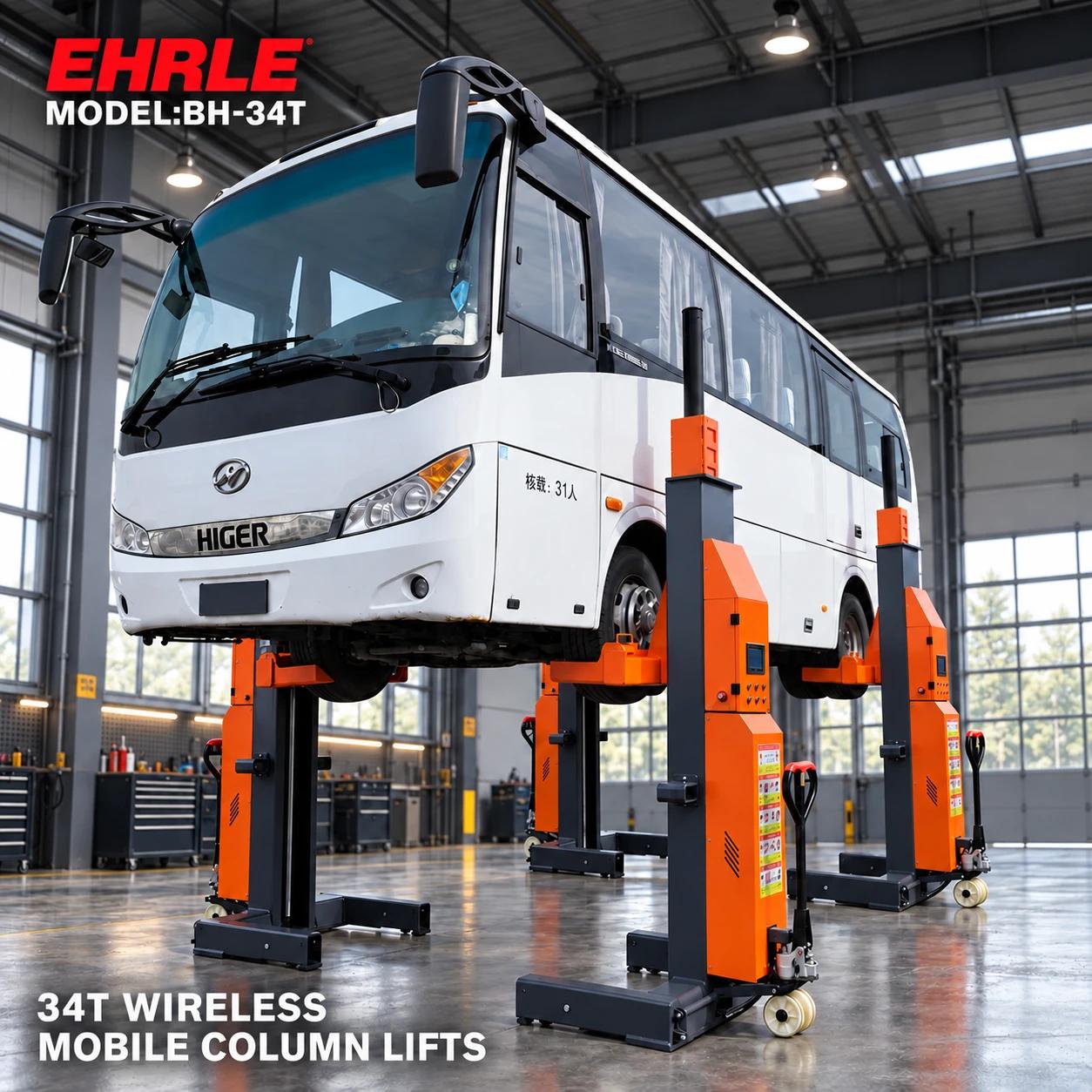
Product scene illustration. The record lists rechargeable 24 V operation and AC 220 V charging; obtain the supplied charger details.
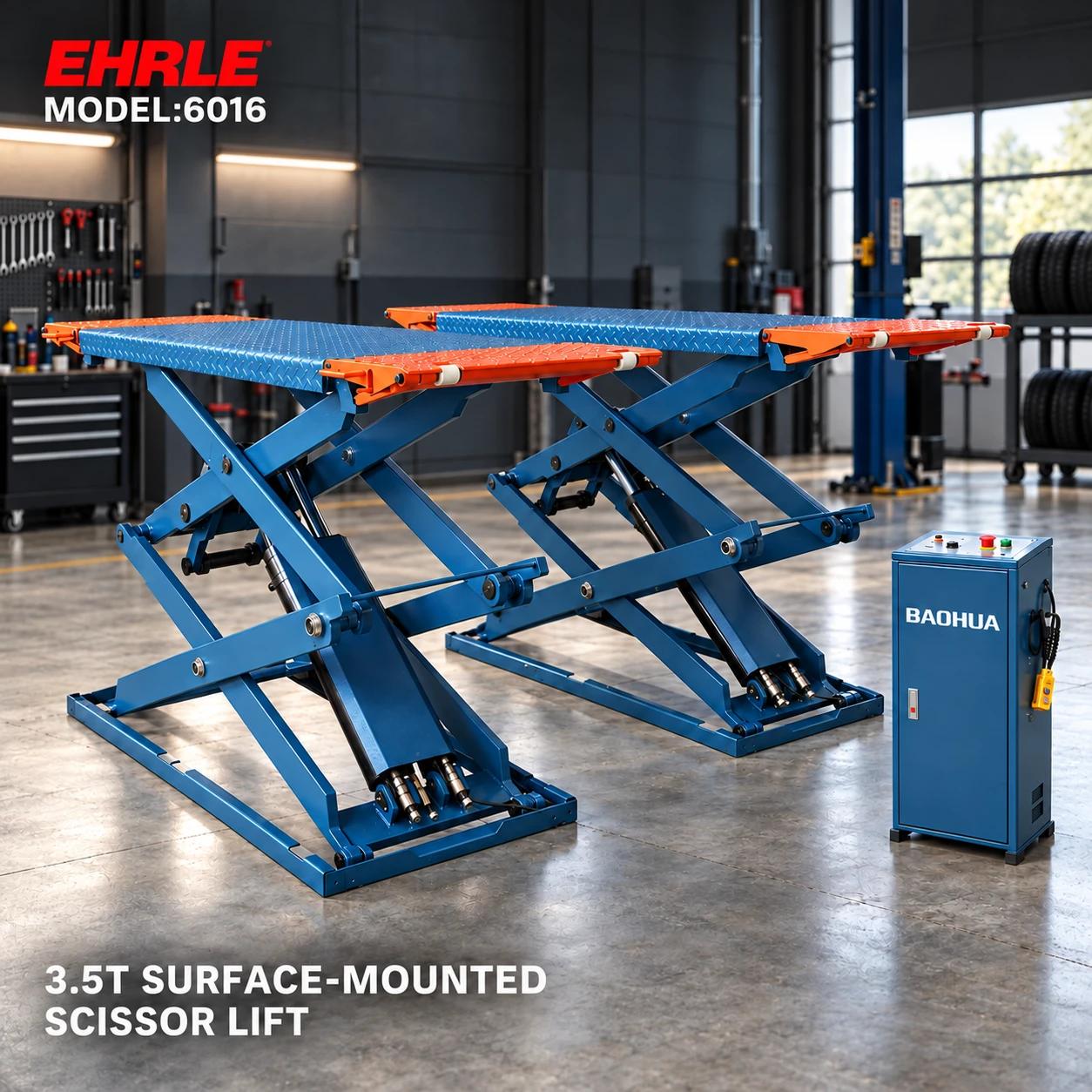
Product scene illustration. Confirm the chosen 220 V or 380 V supply version, phase and frequency separately from the listed 24 V controls.